White Label Ecommerce Platform: Build Your Own Branded Online Marketplace
Launch a scalable white label ecommerce platform with multi vendor features. Explore ready made apps for sale to build your branded online marketplace quickly.
By CloneAppz Team14 min read
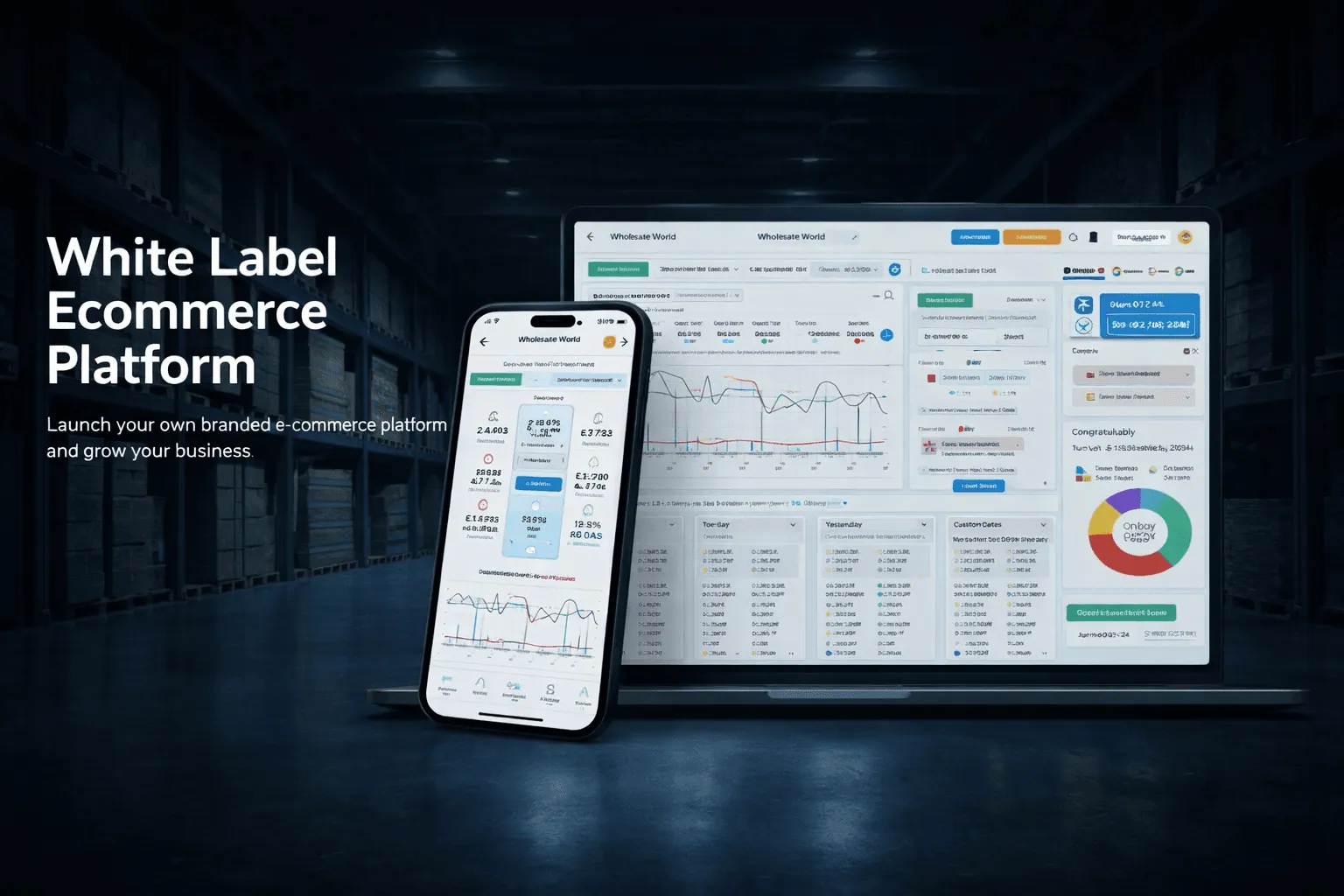
The global ecommerce landscape is evolving rapidly as businesses seek scalable digital solutions that allow them to launch online marketplaces quickly without building everything from scratch. Entrepreneurs, startups, and enterprises are increasingly turning toward white label ecommerce platforms that provide ready-to-deploy infrastructure while allowing complete branding control.
A white label ecommerce platform enables businesses to create their own branded marketplace, customize features, integrate payment systems, and manage vendors without investing years in development. Instead of building complex ecommerce architecture independently, companies can leverage pre-built frameworks that accelerate time-to-market and reduce operational costs.
With the surge of online shopping, multi-vendor ecosystems, and mobile commerce, the demand for the best white label ecommerce platform is growing significantly. Businesses are now exploring scalable white label ecommerce solutions that support mobile apps, web platforms, vendor onboarding, and AI-powered automation.
At CloneAppz, we help entrepreneurs and enterprises build a powerful white label ecommerce solution designed to support multi-vendor marketplaces, scalable cloud infrastructure, and flexible monetization models.
Growing Market Demand for White Label Ecommerce Platforms
The ecommerce industry has experienced massive growth over the last decade, driven by digital transformation, mobile shopping behaviour, and marketplace-driven business models. Companies no longer rely solely on traditional ecommerce stores; instead, they are launching fully branded marketplaces powered by white label ecommerce platforms.
Businesses are especially interested in white label multi vendor marketplace systems that allow multiple sellers to manage products, orders, and payments under a single branded ecosystem.
Key industry indicators highlight the rapid adoption of white-label ecommerce technology:
- Global retail e-commerce sales are forecast to surpass $7 trillion by 2027, highlighting the accelerating adoption of online marketplaces and digital retail platforms worldwide
- Over 60% of online sales now occur through marketplace ecosystems rather than standalone stores.
- Businesses adopting white label ecommerce solutions can reduce development time by up to 70%.
- Mobile commerce contributes more than 70% of ecommerce traffic, increasing demand for white label ecommerce apps.
These trends demonstrate that companies launching marketplaces need scalable and flexible infrastructure capable of supporting multiple vendors, real-time transactions, and seamless user experiences.
Enterprise Architecture Required for a Scalable Ecommerce Marketplace
Launching a modern ecommerce marketplace requires more than a simple shopping cart system. Building a white label ecommerce platform must deploy scalable architecture capable of handling large product catalogs, vendor management, high traffic volumes, and secure financial transactions.
Below are the core architectural components required for enterprise-grade ecommerce platforms.
Multi-Vendor Marketplace Management Framework
A white label multi vendor marketplace must support vendor onboarding, product management, commission tracking, and automated payouts. This module enables multiple sellers to operate within the same platform while maintaining independent storefronts.
Vendor dashboards typically include:
- Product listing management
- Inventory tracking
- Sales analytics
- Order fulfilment tools
- Commission reporting
Scalable Product Catalog and Inventory System
A powerful ecommerce marketplace requires a flexible product catalog capable of supporting thousands or even millions of listings. Advanced white label ecommerce solutions include scalable database structures that allow dynamic product attributes, categories, filters, and search capabilities.
Optimized indexing and caching technologies ensure that users experience fast browsing and real-time product availability updates.
Secure Payment Gateway and Transaction Processing
Advanced white label multi vendor marketplace platforms may integrate blockchain payment gateways such as Coinbase Commerce, BitPay, or crypto wallets, allowing businesses to support decentralized payment ecosystems alongside traditional payment methods.
Security frameworks include:
- PCI-compliant payment integrations
- Fraud detection systems
- Escrow payment models
- Automated commission distribution
Cloud-Based Infrastructure for Global Scalability
Modern ecommerce platforms rely on cloud infrastructure to handle fluctuating traffic and growing product catalogs. Deploying a white label ecommerce solution on cloud environments enables businesses to scale resources dynamically.
Cloud-based architecture provides:
- High availability
- Load balancing
- CDN-enabled media delivery
- Automated backups and disaster recovery
Revenue Models That Maximize Marketplace Profitability
A successful white label ecommerce platform should include multiple revenue streams to maximize profitability and long-term scalability. Businesses launching marketplaces often combine different monetization models to generate recurring revenue.
Vendor Commission Model
Marketplace operators earn revenue by charging a commission on every sale made by vendors. This is one of the most common monetization strategies used in white label multi vendor marketplaces.
Subscription-Based Seller Plans
Vendors can be charged monthly or annual subscription fees to access premium features such as advanced analytics, marketing tools, or higher product listing limits.
Featured Listings and Sponsored Products
Sellers may pay additional fees to promote their products through featured placements or sponsored listings within the marketplace.
Transaction and Payment Processing Fees
Platforms can generate revenue through small processing fees on transactions made through integrated payment gateways.
Advertising and Brand Promotions
Large marketplaces monetize traffic by allowing brands to advertise their products through banner placements and promotional campaigns.
By combining these revenue streams, businesses can transform a white label ecommerce platform into a sustainable digital marketplace with multiple income channels.
Essential Features of a Our White Label Ecommerce Platform
To compete in today’s digital commerce ecosystem, a white label ecommerce platform must provide advanced functionality that supports marketplace administrators, vendors, and end users efficiently. A feature-rich architecture ensures streamlined operations, scalable product management, and seamless shopping experiences across web and mobile environments.
Advanced Product Management System
A scalable white label ecommerce solution enables vendors to efficiently manage product catalogs through centralized dashboards. Sellers can create and manage product listings, upload media assets, configure pricing models, define product variants, and monitor inventory levels in real time. Structured product management systems also support category hierarchies, dynamic filtering, and search optimization to improve product discoverability within the marketplace.
Vendor Dashboard with Data-Driven Analytics
Marketplace vendors require access to detailed analytics tools that provide insights into sales performance, revenue trends, customer behaviour, and product demand. A comprehensive vendor dashboard within a white label multi vendor marketplace allows sellers to track order statistics, monitor conversion rates, and evaluate product performance. These analytics capabilities support data-driven decision-making and improved sales strategies.
Automated Order and Logistics Management
Efficient order fulfilment is critical for maintaining operational efficiency in any marketplace ecosystem. Automated order management systems help track order status, manage shipping workflows, and streamline return processing. Integration with logistics providers and shipping APIs allows real-time shipment tracking, ensuring transparency for both vendors and customers.
Mobile-Optimized Commerce Infrastructure
Modern marketplaces must support seamless mobile experiences due to the growing dominance of mobile commerce. A responsive design framework combined with white label ecommerce apps ensures optimized performance across smartphones and tablets. Mobile-ready architecture provides fast page loading, simplified navigation, and secure checkout experiences that improve conversion rates and customer satisfaction.
Customer Engagement and Retention Mechanisms
Customer engagement features are essential for sustaining long-term marketplace growth. Capabilities such as product reviews, wishlists, loyalty programs, and AI-powered product recommendations help increase user interaction and repeat purchases. These engagement mechanisms contribute to stronger customer retention while improving overall marketplace activity and revenue generation.
Advanced AI Capabilities Powering Modern White Label Ecommerce Marketplaces
Artificial intelligence is reshaping ecommerce by enabling smarter product recommendations, personalized shopping experiences, and automated operational workflows.
Intelligent Product Recommendation Systems
AI algorithms analyze customer browsing behaviour and purchase history to deliver personalized product suggestions, improving conversion rates and user engagement.
Automated Customer Support with AI Chatbots
AI-powered chatbots can handle customer inquiries, order tracking, and product recommendations, reducing operational costs and improving response times.
Smart Inventory Forecasting
Machine learning models analyze historical sales data to predict future demand and help vendors optimize stock levels.
Dynamic Pricing Optimization
AI-driven pricing engines adjust product prices automatically based on demand trends, competitor pricing, and inventory availability.
These advanced capabilities help businesses build the best white label ecommerce platform capable of delivering modern digital shopping experiences.
Our White Label Ecommerce Platform Development Roadmap
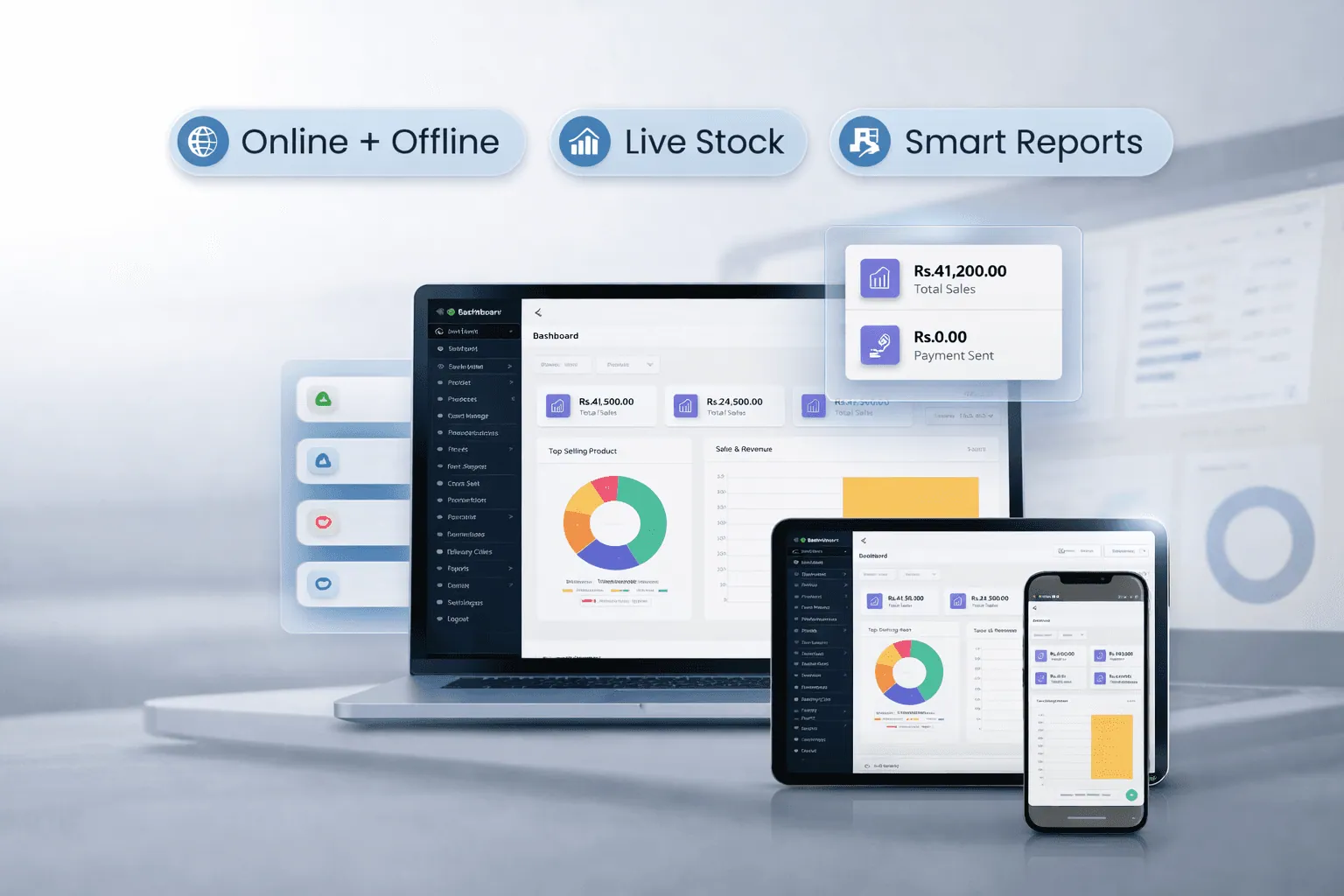
Developing a scalable white label ecommerce platform requires a well-defined development strategy that aligns technical architecture, marketplace operations, and long-term business scalability. A structured development roadmap ensures that the platform supports multi-vendor operations, secure transactions, high-performance infrastructure, and future expansion. The following phases outline a technically sound process for building a robust white label ecommerce solution.
Market Analysis and Strategic Planning
The initial phase focuses on comprehensive market research to identify target audiences, marketplace categories, and competitive positioning. This stage includes analyzing existing marketplace models, evaluating user behaviour patterns, and identifying gaps within the ecommerce ecosystem. A data-driven strategy helps define the core marketplace concept, revenue model, and feature priorities required for a scalable white label multi vendor marketplace.
Technical Architecture Design
Once the product strategy is defined, the next step involves designing the underlying technical architecture. This includes selecting scalable backend frameworks, database structures, cloud infrastructure, and API communication layers. The architecture typically incorporates microservices-based deployment, distributed storage systems, secure payment processing modules, and load-balancing mechanisms to ensure reliable platform performance.
User Experience and Interface Engineering
An intuitive user interface is essential for marketplace adoption and operational efficiency. UI/UX engineering focuses on designing simplified navigation structures, optimized product browsing experiences, and streamlined checkout workflows. Prototyping and usability validation help ensure that both buyers and vendors can interact with the white label ecommerce platform efficiently across web and mobile environments.
Core Marketplace System Development
This development phase focuses on building the fundamental marketplace components required for operational functionality. These components include vendor onboarding systems, product catalog management, inventory control modules, payment gateway integrations, and automated order processing workflows. A modular system architecture ensures that the platform can support thousands of vendors and large product inventories without performance degradation.
AI Integration and Intelligent Automation
To enhance marketplace efficiency and user engagement, advanced AI-powered modules are integrated into the system architecture. These capabilities may include recommendation engines, automated fraud detection, dynamic pricing optimization, and predictive analytics. AI-driven automation helps improve personalization, enhance customer experiences, and optimize operational decision-making across the white label ecommerce solution.
Quality Assurance and Performance Validation
Before deployment, extensive testing is conducted to ensure the platform meets enterprise-grade performance and security standards. Functional testing, load testing, security audits, and cross-device compatibility assessments are performed to validate system stability. Performance optimization also focuses on improving database queries, reducing latency, and ensuring high-speed transaction processing.
Deployment, Monitoring, and Continuous Optimization
Following successful testing, the platform is deployed within a scalable cloud environment supported by monitoring and analytics tools. Real-time monitoring systems track performance metrics such as traffic behavior, transaction success rates, and infrastructure utilization. Continuous updates, feature enhancements, and performance improvements ensure that the white label ecommerce platform remains competitive and capable of supporting long-term marketplace growth.
How CloneAppz Delivers Scalable White Label Ecommerce Solutions
Launching an ecommerce marketplace requires technical expertise and a reliable development partner capable of building scalable infrastructure.
CloneAppz offers a comprehensive white label ecommerce platform designed to support entrepreneurs, startups, and enterprises entering the online marketplace infrastructure.
Our solutions help businesses overcome key challenges such as:
- Marketplace scalability
- Vendor onboarding complexity
- Secure transaction management
- Mobile commerce optimization
- AI-driven automation
By leveraging advanced white label ecommerce solutions, businesses can launch their own branded marketplaces with reduced development timelines and lower operational risks.
Technology Stack Powering a High-Performance Ecommerce Platform
A robust ecommerce marketplace relies on modern technologies that ensure performance, scalability, and security.
Frontend Development
- React.js and Vue.js for responsive web interfaces
- Flutter and React Native for white label ecommerce apps
- Progressive Web App support for mobile optimization
Backend Development
- Node.js for high-performance APIs
- Python-based microservices for advanced automation
- REST and GraphQL APIs for flexible system communication
Cloud Infrastructure
- AWS and Google Cloud hosting environments
- Kubernetes container orchestration
- CDN integration for faster content delivery
Database and Storage
- PostgreSQL for structured ecommerce data
- MongoDB for dynamic product catalogs
- Cloud object storage for media assets
Security and Compliance
- End-to-end encryption
- Secure payment gateway integration
- Fraud detection systems and transaction monitoring
Estimated Cost to Develop a White Label Ecommerce Platform
The development cost of a white label ecommerce platform depends on features, customization level, infrastructure complexity, and AI integrations.
Development Component | Key Inclusions | Estimated Cost (USD) |
UI/UX Design | Marketplace wireframes and interface design | $5,000 – $7,000 |
Core Marketplace Features | Product management, vendor dashboard, order processing | $8,000 – $12,000 |
AI Integrations | Recommendation engines and analytics automation | $6,000 – $10,000 |
Backend Infrastructure | Cloud hosting, APIs, database architecture | $7,000 – $12,000 |
Mobile App Development | Cross-platform white label ecommerce app | $6,000 – $10,000 |
Payment Integration | Payment gateways and transaction security | $4,000 – $7,000 |
Testing and Deployment | Quality assurance and launch support | $4,000 – $6,000 |
Estimated Total Investment
- Basic marketplace platform: $8,000 – $15,000
- AI-enabled ecommerce platform: $15,000 – $25,000
- Enterprise-level marketplace solution: $25,000 – $40,000
Why Do Businesses Choose CloneAppz for White Label Ecommerce Platform?
Selecting the right technology partner is a critical factor in launching and scaling a successful ecommerce marketplace. Businesses entering the digital commerce ecosystem require a white label ecommerce platform that combines scalability, customization flexibility, and enterprise-grade infrastructure. CloneAppz focuses on delivering robust white label ecommerce solutions and white label apps for sale, enabling startups and enterprises to launch fully branded marketplaces with reduced development timelines and long-term operational reliability.
Ready-to-Deploy Marketplace Infrastructure
CloneAppz provides pre-built white label ecommerce solutions designed to accelerate marketplace deployment. A ready-to-launch platform architecture significantly reduces development time while allowing businesses to configure features, integrate third-party services, and launch their marketplace quickly without building the entire system from scratch.
Fully Customizable White Label Architecture
The platform architecture supports extensive customization capabilities, enabling businesses to deploy a fully branded marketplace environment. This includes configurable UI components, domain configuration, marketplace workflows, and vendor ecosystem management. Such flexibility allows organizations to position their white label ecommerce platform according to specific market segments and branding strategies.
AI-Driven Commerce Automation
Modern marketplaces benefit from intelligent automation systems that enhance operational efficiency and user engagement. The platform integrates advanced technologies such as AI-powered product recommendation engines, analytics dashboards, and automated customer engagement tools. These capabilities help optimize product discovery, improve conversion rates, and support data-driven marketplace growth.
Scalable Cloud-Native Infrastructure
CloneAppz builds its white label ecommerce platform using microservices-based architecture and cloud-native infrastructure. This technical approach ensures high availability, flexible scalability, and efficient resource management as marketplace traffic and vendor participation increase. The infrastructure supports large product catalogs, concurrent user activity, and real-time transaction processing without compromising performance.
Comprehensive Development and Deployment Support
Launching a marketplace involves multiple technical and operational stages, including configuration, integration, deployment, and optimization. CloneAppz provides structured development support throughout the lifecycle of the platform, ensuring that businesses can implement their white label ecommerce solution efficiently and scale the marketplace as operational demands grow.
Conclusion
The rapid growth of digital commerce has created strong demand for scalable marketplace solutions that can be launched quickly without complex development. A white label ecommerce platform allows startups and enterprises to build fully branded marketplaces with vendor management, secure payments, and flexible monetization models.
Modern white label ecommerce solutions combine cloud infrastructure, mobile commerce support, and AI-driven automation to simplify marketplace operations and improve scalability. Businesses can leverage these platforms to manage vendors, process transactions securely, and deliver seamless shopping experiences across web and mobile environments.
CloneAppz offers a powerful white label ecommerce platform along with ready made apps for sale, enabling businesses to launch their own white label multi vendor marketplace faster with complete branding control, scalable infrastructure, and long-term growth capabilities.
Frequently Asked Questions
01What is a white label ecommerce platform?
A white label ecommerce platform is a pre-built ecommerce solution that businesses can customize and rebrand as their own marketplace. It provides ready-to-deploy infrastructure, including vendor management, payment integration, and product catalog systems, allowing companies to launch an online marketplace quickly without building the platform from scratch.
02What makes the best white label ecommerce platform?
The best white label ecommerce platform offers scalable architecture, multi-vendor support, secure payment integrations, mobile commerce compatibility, and AI-powered automation. It should also allow full branding customization, flexible monetization models, and seamless integration with third-party services.
03How does a white label multi vendor marketplace work?
A white label multi vendor marketplace allows multiple sellers to list products, manage orders, and process transactions within a single ecommerce platform. The marketplace owner manages vendor onboarding, commission structures, and platform governance while earning revenue from vendor sales and service fees.
04Can a white label ecommerce platform support mobile apps?
Yes, many modern white label ecommerce solutions include mobile-ready architecture that supports fully branded white label ecommerce apps for Android and iOS. Mobile apps help businesses capture mobile commerce traffic and improve customer engagement through optimized shopping experiences.
05What is the difference between custom ecommerce development and white label ecommerce solutions?
Custom ecommerce development involves building an ecommerce platform entirely from scratch, which requires significant time, technical expertise, and investment. In contrast, white label ecommerce solutions provide pre-built infrastructure that can be customized and deployed quickly, reducing development time and operational costs.
06How secure are transactions in a white label ecommerce platform?
Security is a core component of modern white label ecommerce platforms. These platforms typically include PCI-compliant payment gateways, fraud detection mechanisms, encryption protocols, and secure transaction monitoring systems to ensure safe and reliable financial operations.
07Can blockchain or cryptocurrency payments be integrated into an ecommerce marketplace?
Yes, advanced white label ecommerce platforms can integrate blockchain-based payment gateways and cryptocurrency transactions. Technologies such as crypto wallets and decentralized payment processors enable secure, transparent, and borderless payment options alongside traditional payment methods.
08How long does it take to launch a white label ecommerce platform?
The deployment timeline depends on customization requirements, feature integrations, and infrastructure configuration. In most cases, businesses can launch a white label ecommerce platform within a few weeks to a few months, significantly faster than building a marketplace through custom development.